
Last week I attended the 10th Annual Plant-Based Nutrition Healthcare Conference (PBNHC). This year, after having the conference virtual for the last 2 years, they returned to a hybrid virtual, or in-person option, in southern California. I’m glad they kept the virtual option, so that I, along with hundreds of others around the world, could attend.
I just loved this conference! It was developed by a Medical Doctor, Scott Stoll, MD, who is part of a growing movement, called Lifestyle Medicine. One of the founders of this movement is a name many of you are familiar with, Dr. Dean Ornish. His programs have been revolutionary, in treating and reversing cardiovascular disease.
The target audience consists of professionals in health care at various levels, including MDs, DOs, PhDs, RDs, NPs, RNs, PAs, Pharmacists, medical students and yes – Health Coaches like yours truly. The entire point of the conference is to illustrate, “… how living a healthy lifestyle has been proven to prevent, and in some cases, reverse chronic illnesses, such as cardiovascular disease, type 2 diabetes, cancer, autoimmune disorders, Alzheimer’s, depression and much more”. The professionals in Lifestyle Medicine work with patients to make changes in various aspects of their lifestyle, that impact their biochemistry, and therefore, their health. As a health coach, I feel that I am called to spread the word, about what it means to live a healthy lifestyle and the general benefits it brings, now that it is all evidence-based. *
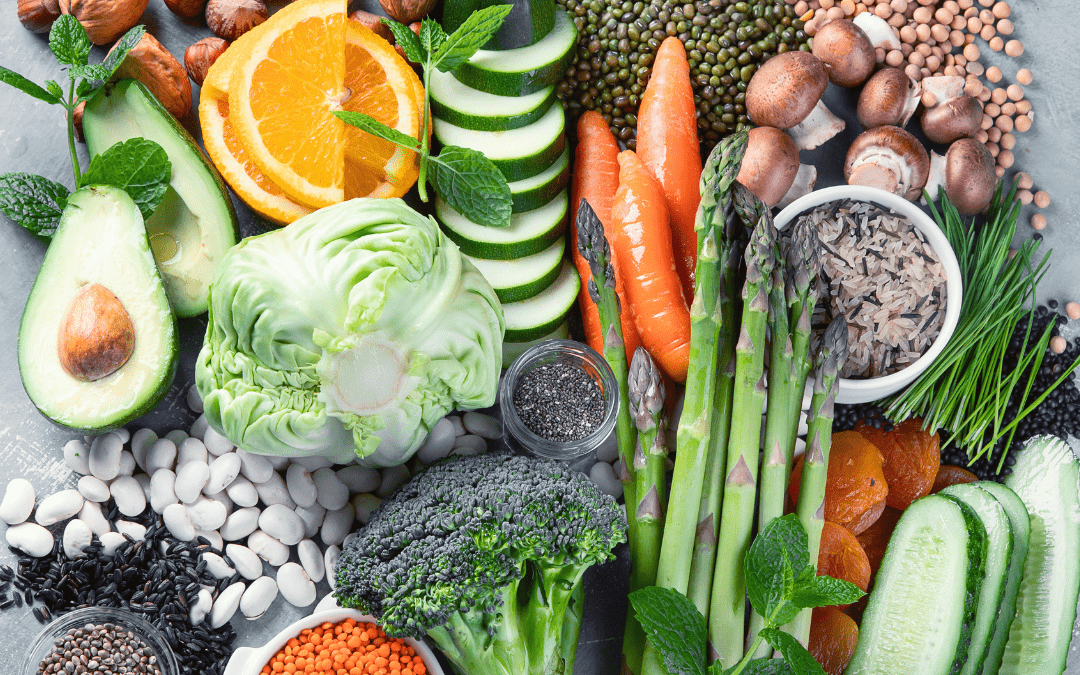
At the ‘heart’ of Lifestyle Medicine, and much of what was discussed during the conference, is nutrition. Without question, the regular diet that has been proven again and again to maintain good health, and even to reverse chronic disease, is a whole food plant-based diet. This consists of fruits, vegetables, whole grains, beans and legumes, berries, nuts and seeds. Making these foods, as close as possible to 100% of your diet, has been clinically shown to support good health and enhance ‘health-span’, or the number of years you are healthy within your lifespan. If done thoughtfully, this way of eating will support your body’s metabolism, by reducing calorie intake, while maximizing healthy nutrients. Further, it will minimize the intake of saturated fats, salt, sugar, inflammatory chemicals and artificial substances, that are detrimental to your body’s biochemistry, and therefore, your health.
All conclusions were evidence-based, through research studies. We probably looked at hundreds of studies relating to various diseases, and the effect of different types of diets, foods and even certain chemicals within foods, on morbidity and mortality. If there is one thing doctors want to see, before coming to any conclusions, or making any decisions, it is the result of a properly conducted clinical study. And, now they are there, many of them. Within the last few years there has been an increasing interest in the role of nutrition in health and disease, and so, there is more research than ever before available. I have included links to a selection of these research studies and websites at the end of this article.
Most of us have the goal of having a long lifespan, but within that long lifespan, you want to have the healthiest years possible, and not have the last 20+ years, of that lifespan, be filled with debilitating and life-altering ailments. You literally want to live well, until the day you die, as close to, or over, your 100thbirthday. At least I do! It is about maximizing your health-span.
One of the biggest biochemical benefits behind a whole food, plant-based diet is its effect on minimizing inflammation in the body. I say this in general, because certainly there are foods, within this group that, for one reason or another, do not agree with an individual. We are ‘bio individuals’, and for example, while one person cannot tolerate garlic or onions (which are certainly health-enhancing, for most of us), some people may have a food allergy or sensitivity, which causes them to have to avoid these. In addition, we all have a different genetic makeup and experiences through life can turn these genes on or off, making us more or less able to tolerate substances, and make us more or less susceptible to health problems. These are examples of how one size can fit many, but may need to be adjusted for some.
Getting back to inflammation, it is behind most of the chronic and some of the acute health problems today. The Cleveland Clinic describes inflammation: “When your body encounters an offending agent (like viruses, bacteria or toxic chemicals) or suffers an injury, it activates your immune system. Your immune system sends out its first responders: inflammatory cells and cytokines (substances that stimulate more inflammatory cells).
These cells begin an inflammatory response to trap bacteria and other offending agents or start healing injured tissue. The result can be pain, swelling, bruising or redness. But inflammation also affects body systems you can’t see.
If your body sends out inflammatory cells, when you are not sick or injured, you may have chronic inflammation. Inflammation is a symptom of many chronic diseases, such as arthritis, or Alzheimer’s disease.” Here is a more detailed discussion on inflammation for those who want to learn more.
Next we get to ‘Inflammaging’, which is, “… a chronic low-grade inflammation that develops with advanced age, that can manifest in chronic conditions such as those mentioned earlier plus others: cardiovascular disease, diabetes, cancer, neurological diseases, autoimmune diseases, arthritis, pulmonary diseases and Alzheimer’s disease”. Basically, the longer the process goes on, the more damage occurs. We need to stop the continual process of inflammation (chronic), and let it be used for healing situations, such as injury or infection (acute).
A whole food plant-based diet, has been clinically shown to reduce the body’s inflammatory process and, therefore, reduce the likelihood of developing (or reversing) the chronic illnesses previously mentioned. This is a diet that is minimally processed, avoids or minimizes animal products, and is varied within itself. These foods are shown to be nutrient-dense, often low/moderate in calories (with some exceptions such as avocados, nuts and seeds), turn on certain pathways that block inflammation, and turn off certain pathways that initiate cell proliferation. These foods give you fiber, to improve transit time through your digestive system and maintain bowel health, help control blood sugar, and help you achieve a healthy weight, (animal products contain no dietary fiber). They also contain phytochemicals, which are plant compounds that have protective or disease preventative properties in plants, (also in humans), that have different actions: some serve as antioxidants, have an antibacterial effect, or are DNA protective. This diet has been shown to help normalize blood pressure and cholesterol levels.
If one looks at the longest-lived populations in the world today, they would see people who eat a primarily whole food, plant-based diet, among other common lifestyle factors, such as, getting lots of daily movement, and having good community support. You can learn more about these longest-lived people here in the Blue Zones. I refer to the Blue Zones often, because I want to do what the people, who are proven to live the longest and healthiest, are doing!
Eating a whole-food, plant-based diet is not fancy or gimmicky, in any way. It is a relatively less expensive way to eat; it is beneficial for the animals and the environment; it can improve your quality of life, improve your health-span, and save money on medical bills and prescriptions. One wonders why health insurance companies have not jumped all over it. Oh well, that is for another discussion.
For now, here are some links to other credible resources relevant to this discussion, that you may wish to explore:
American College of Lifestyle Medicine
T. Colin Campbell Center For Nutritional Studies
Physicians Committee For Responsible Medicine
Plant-Based Diets and Diabetes
Cancer and Diet: Here’s What You Should Know
Plant-Based Protein Facts & Best Sources (Chart)
Wishing you good health and a great life … ,
Sheryl
* DISCLAIMER: I am a Health Coach – not a licensed medical professional. The information in this blog post is for informational purposes only and is not meant to diagnose, prevent, treat or cure any disease or condition. It is not intended as a substitute for the advice and treatment and/or diagnosis of a licensed medical professional. Please consult with a licensed medical professional before adopting any new dietary changes.
