
I just finished attending a 4 day online conference – the Plant-Based Nutrition Healthcare Conference, as I did last year. I have to say that I was blown away once again by the quality of the speakers and the information. I have been mentally reenergized. For some of you in the field of nutrition or healthcare – you may be familiar with some of the names of the speakers: Dr Dean Ornish, Dr. Caldwell Esselstyn, Dr. Walter Willett, Dr. Michael Klapper, Dr. Michael Greger, Dr. Valter Longo, Dr. William Li and so many others. All rock stars in their fields. The stated goal of the conference: “Proving the benefits of the dietary lifestyle through a review of current and progressive scientific research, evidencing in the preventative and disease-fighting capabilities of whole-food plant-based nutrition.”
Time and time again it was proven that consuming a diet of all or mostly whole plant foods can mitigate serious chronic illness and even, in some cases, reverse it. Whether through broader research and/or within in their own practices, this was shown to be so. Not only does consuming a whole food plant-based (WFPB) diet extend lifespan, but it increases “healthspan” – the number of healthy years a person has. It’s the quality of your life in addition to the quantity of years. If I am going to live until 90 I want to be the healthiest 90 year old until I die, not incapacitated and infirm for the 20 years leading up to it. The key is consuming “whole” plant foods – meaning plant foods that are in their closest original state. Sorry but potato chips and vegan pizza don’t count. Being vegan is not necessarily healthy, although it’s certainly healthier for the animals!
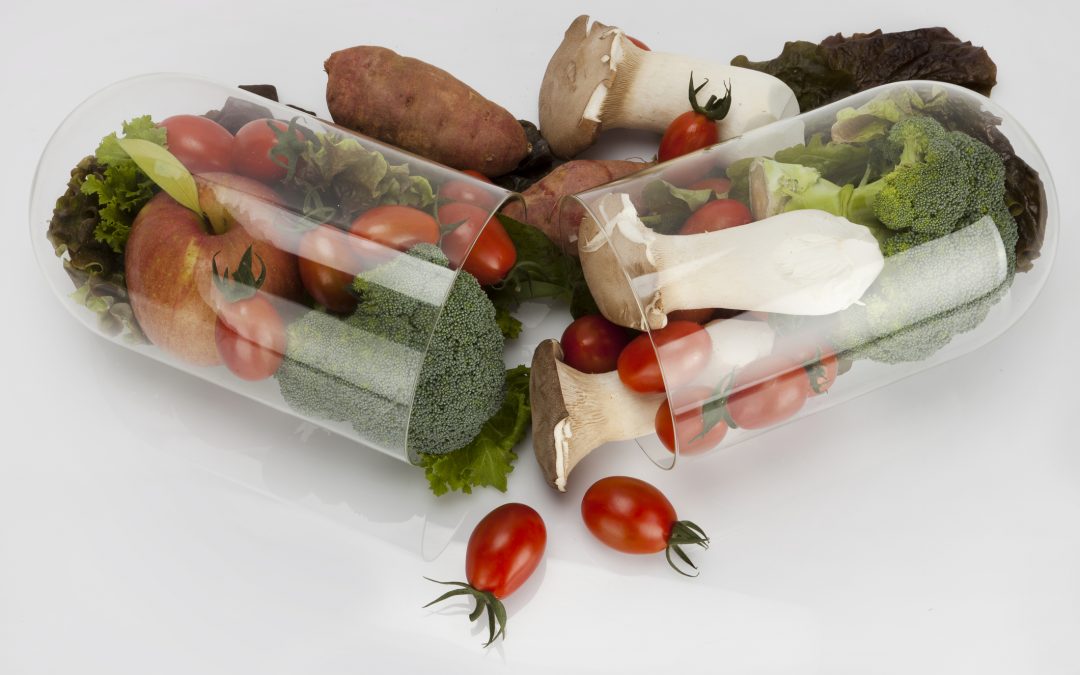
Why is consuming a WFBP diet the best answer for health? This diet is full of vitamins, minerals, fiber, healthy fats and phytochemicals that protect and keep your body running smoothly. Eating this way also helps protect your body against inflammation – which is at the root of many chronic diseases such as cardiovascular disease, certain cancers, type 2 diabetes, autoimmune diseases, poorer brain health and others. Eating this way also helps you control your weight without resorting to fad diets, unhealth drugs or supplements. Generally speaking – your weight often naturally normalizes as do many of your biomarkers such as blood pressure, cholesterol levels, CRP, H A1c, and glucose levels (your personal results may vary).
I think of WFPB diet as more of a “lifestyle” is because it is a forever way of living, not something you do temporarily. The word “diet” almost has a negative connotation and one of a temporary nature.
On the flip side – a diet high in animal products is full of the wrong kinds of fat – saturated fats which contribute to cardiovascular disease, high blood pressure, and insulin resistance/diabetes. Animal products contain more concentrated protein – a little goes a long way. Many people think they need and consume way too much of the daily recommended amount of protein. The DRI (Dietary Reference Intake) is .36 grams of protein per pound of body weight. This amounts to 56 grams per day for the average sedentary man and 46 grams per day for the average sedentary woman. If you are a more active person you may need more. A 3 ounce chicken breast has 26 grams of protein – but how many people eat a 3 ounce portion? A 9 ounce steak on average has about 75 grams of protein – which is closer to the portion size that is usually consumed. Animal protein adds up quickly. An excessive amount of protein in the diet leads to a buildup of amino acids, ammonia and/or insulin in your blood stream which can cause inflammation and damage your organs such as your heart, arteries, liver and kidneys.
Going back to another benefit of a WFPB diet is that it is immune protective as opposed to detracting from the proper functioning of the immune system. We all know that today “immunity” is a hot button (in my life significantly for several reasons). Also – there is enough data showing that the people who have the poorest outcome from surviving COVID-19 and mitigating longer term effects include those who had certain comorbidities such as diabetes, chronic kidney disease and cardiovascular disease, diseases often due to diets or poor nutritional status not of the WFPB variety. https://www.the-hospitalist.org/hospitalist/article/238272/coronavirus-updates/list-covid-19-high-risk-comorbidities-expanded Not lost to me are also people who are immunocompromised like myself who are in the high risk co morbidity group but we’ve discussed that previously and probably will continue to discuss it….
The most common question asked is “Where do you get your protein on a WFPB diet?” Almost every food has some level of protein but generally speaking – beans, legumes, nuts, seeds and nut/seed butters, plant-based yogurts, tofu, whole grain pastas, spinach, collard greens and asparagus have the highest amount of protein per serving. It is actually quite easy to achieve the DRI for protein once you know the best sources.
A WFPD diet is also humane. The fewer animals that are consumed, the fewer animals are raised to be killed – many raised in horrible factory farming conditions. I actually started along my WFPB journey for ethical reasons first, then learned about the wonderful health benefits along the way. I didn’t want to contribute to the needless suffering of animals. And now – we are also seeing the negative impact of animal food consumption on the environment. It takes far more land and resources to raise meat than it does to raise plants for food. You are essentially cutting out the “middleman” – the animals who eat the crops to produce their meat. Animal agriculture is also the biggest contributor to greenhouse gasses (methane, nitrous oxide, carbon dioxide) that have helped accelerate global warming. Animal agriculture (18% contribution) even surpasses transportation as to the contribution of emissions in this area. To learn more: https://ehp.niehs.nih.gov/doi/full/10.1289/ehp.11034
One of the other points made again and again during the conference was the fact that a WFBD diet, although a very important part of increasing your lifespan/healthspan, was not the only factor in successful health and longevity. Regular exercise, reducing/eliminating alcohol, avoiding tobacco, having a good support system, having a sense of purpose in life, getting regular screening tests, and avoiding toxins (in food, air, water, relationships) all contribute to a longer lifespan/healthspan. There is no “magic” pill but the combination of living an overall healthy life will reap dividends in terms of living the life you want to live, instead of being inhibited and encumbered by illness. My own mother is/was an example.
She was a lifelong smoker who just couldn’t quit. That was until she passed out at work one day because her lungs collapsed and was brought to the hospital where she needed emergency surgery to reinflate her lungs. She was diagnosed with COPD/emphysema and after 2 weeks in the hospital, was discharged home with oxygen. She was 60 years old – not all that far off from my age now. Although she was at a healthy weight most of her life until she got sick – her diet was terrible. She ate lots of meat, ate lots of sugary snacks and drank regular soda. She never exercised. She never took any supplements. She was a workaholic. My mother went out on disability from her job and then ultimately had to leave permanently. Over the next 8 years she continued to decline, needing more and more oxygen to survive. She could barely walk and needed a 24 hour/day caretaker living in with her. She was hooked up to an oxygen machine – tied to it for the rest of her life. She was on numerous medications with their numerous side effects. She lived a progressively miserable life until she passed away at 68 years old. She never to got retire and do the things retired people look forward to doing, after 40 years in the workforce. In contrast, a number of the speakers at the PBNHC were well into their 80’s almost 90’s – presenting in depth presentations and answering questions – sharp and vibrant as ever. They were looking forward to presenting at next years’ conference, live. My mother would’ve been 79 today and could have enjoyed a long and happy retirement…
Based on all of my life’s experiences and learning to this point (and into the future) – I feel that it is a mission of mine to spread the word about the benefits of living a healthy lifestyle. I hope you’ll join me in this mission to enjoy the benefits of this lifestyle and spread the word to others.
Check out these great resources for more info on how living a plant-based lifestyle can greatly enhance your health and your life:
https://plantricianproject.org
https://www.forksoverknives.com
https://health.clevelandclinic.org/13-of-the-best-vegetarian-and-vegan-protein-sources/
Wishing you good health and a great life-
Sheryl
